Solutions

Leverage custom automation built around your process

We help manufacturing facilities leverage custom automation—cells, stations, upgrades, and proof-of-concept benches—to reduce labor bottlenecks, increase throughput, cut scrap, and improve quality on real production floors.

Development benches & modular bricks

A fast way to prove what will work on your floor—before committing to a full custom machine. We use a family of development benches and plug-together bricks to mock up and test your process with your real parts.

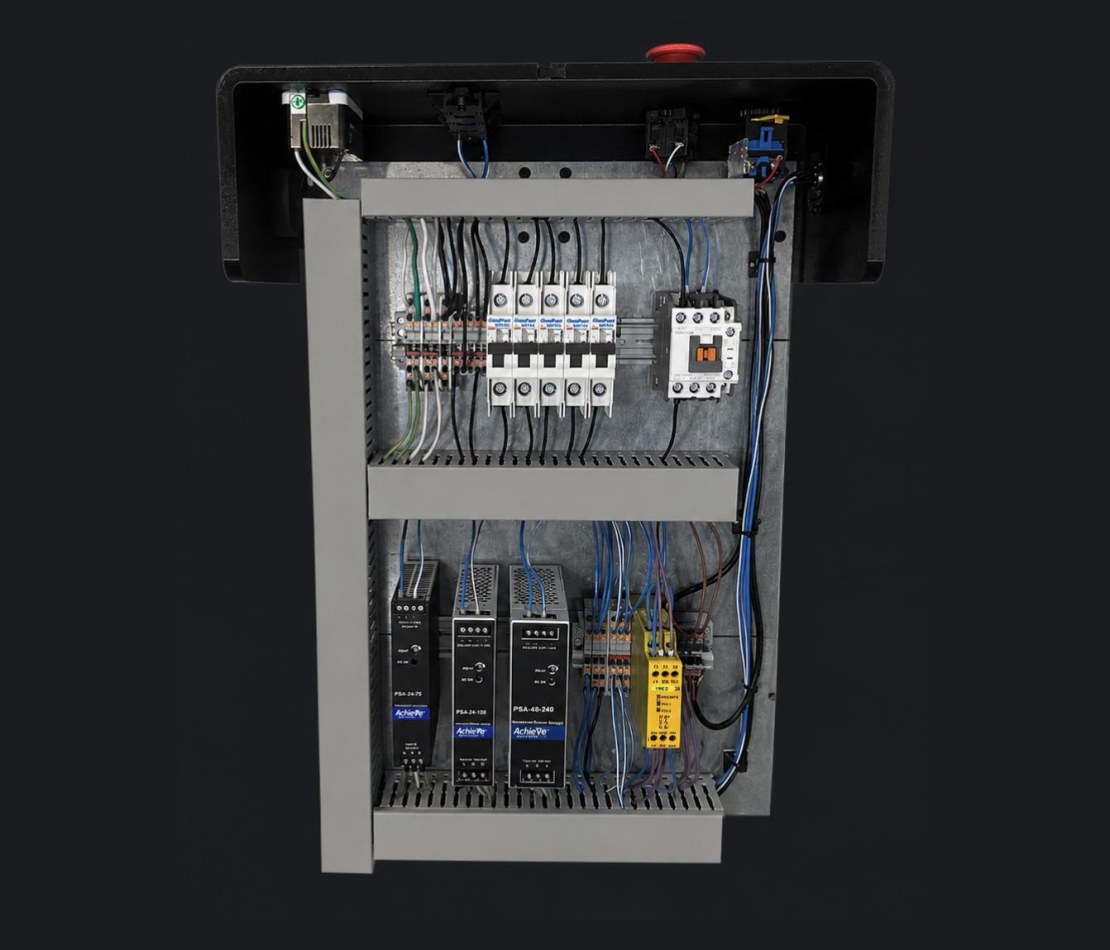
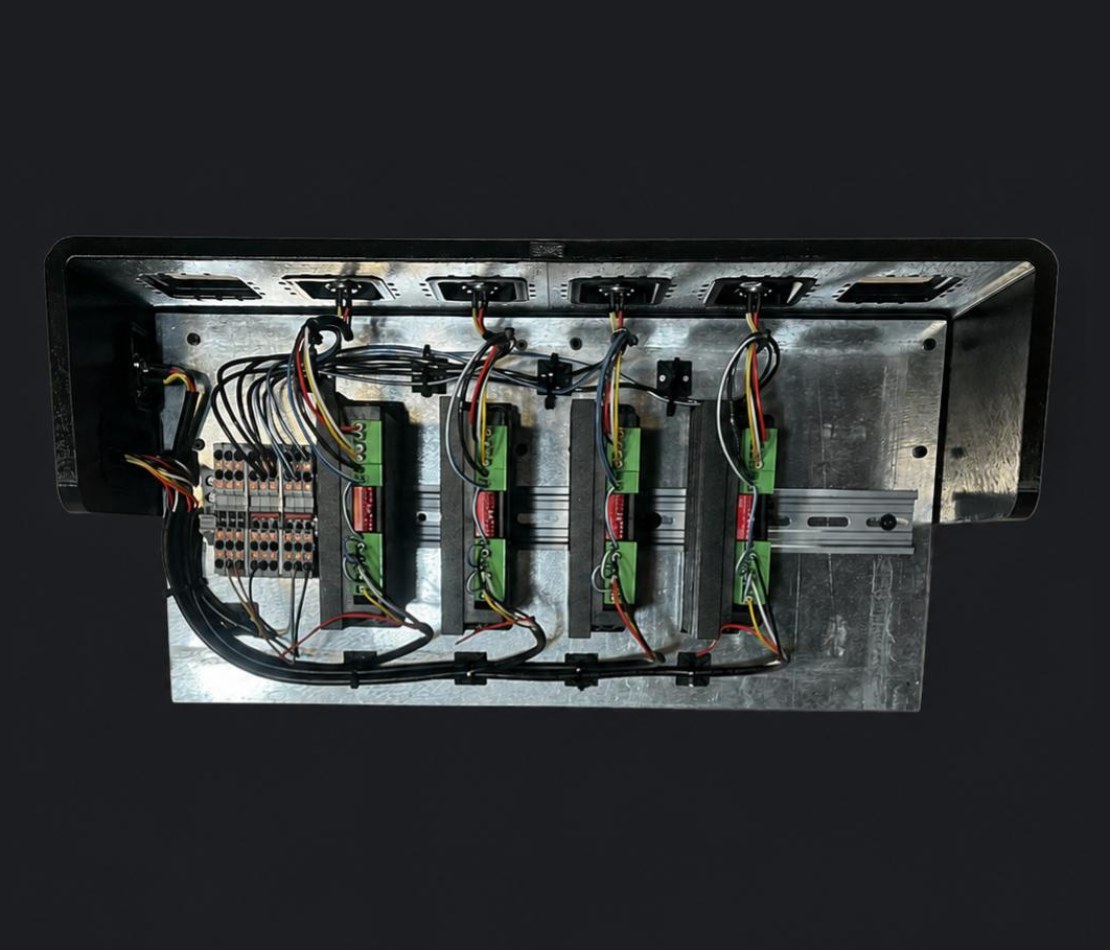
  • Controls bricks with power supplies, PLC or soft-PLC, digital/analog I/O, and motor controllers on DIN rail.
  • Motion bricks—axes, simple gantries, and fixtures—to move, cut, or press your parts and explore cycle-time limits.
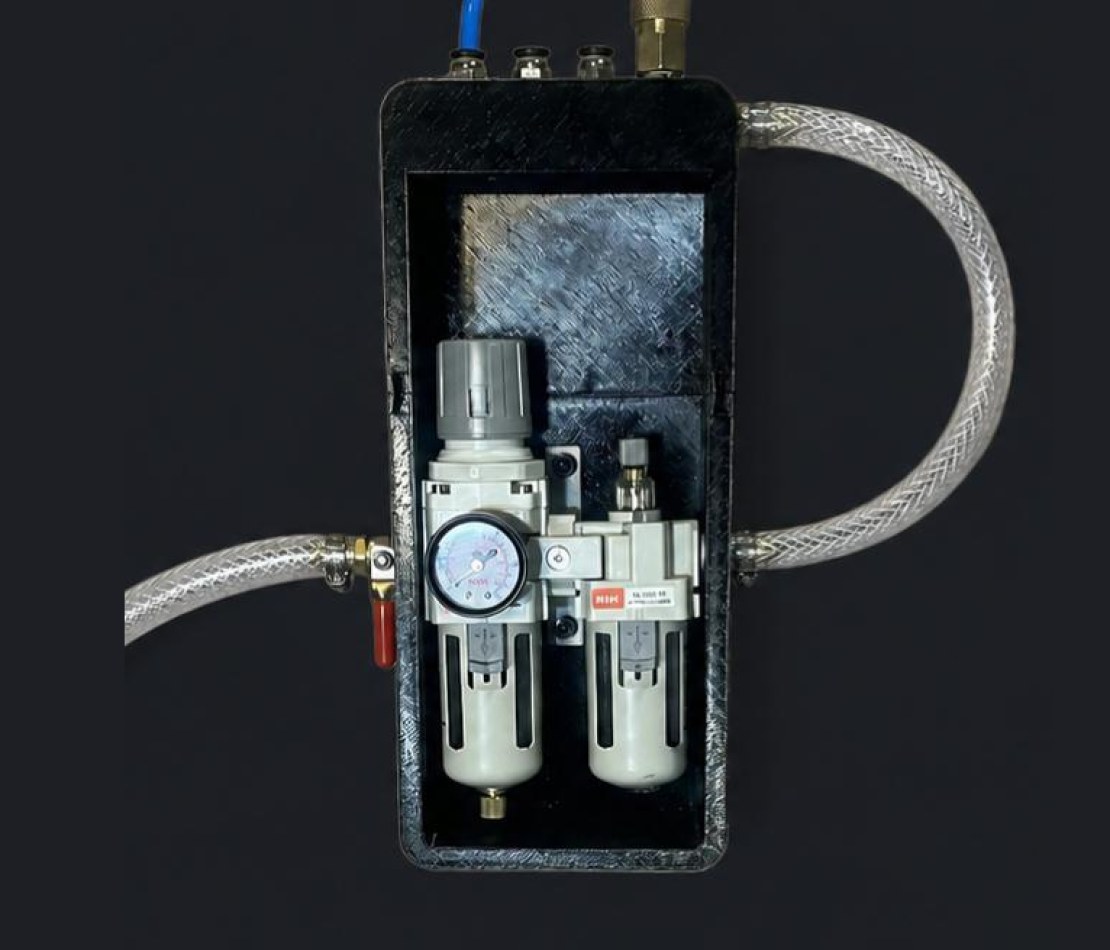
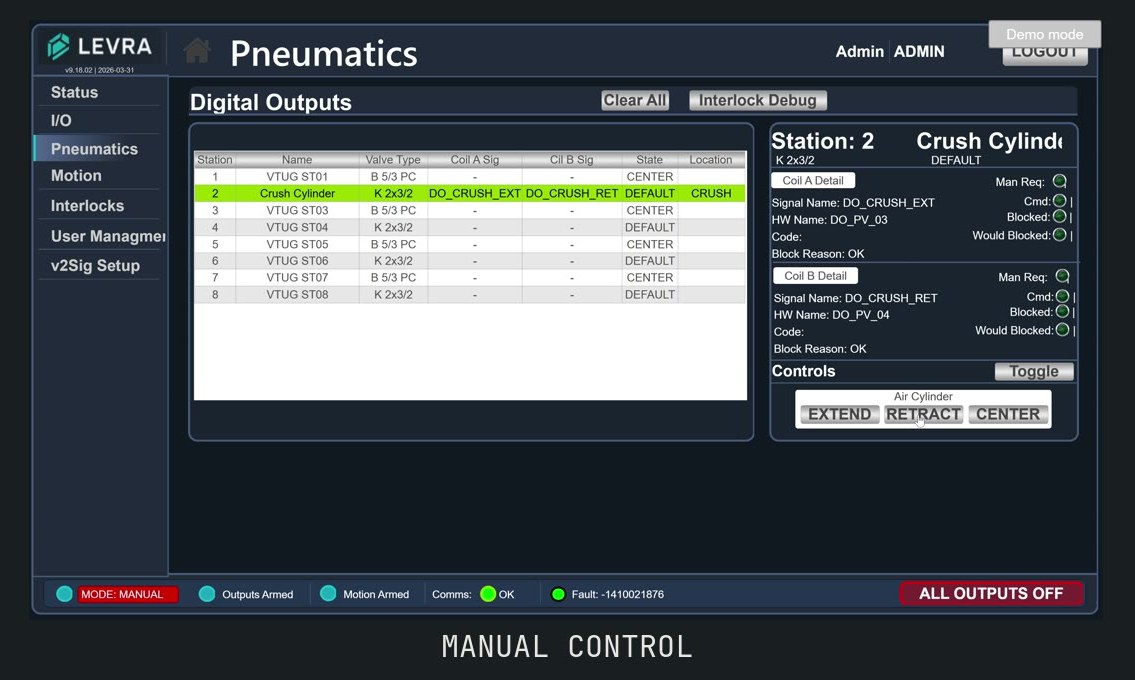
  • Vision and pneumatics bricks so we can dial in cameras, lighting, valves, and cylinders on your actual parts, then carry the same patterns into production cells.

Vision-guided systems

Cameras and lighting that don’t just take pictures—they tell the machine where to cut, place, or inspect. The goal is repeatable decisions your team can understand, adjust, and trust.

  • Locate straps or parts and guide cut positions with repeatable accuracy, even with color or pattern variation.
  • Use color, lines, or features to align cuts, check orientation, or verify presence/absence without overcomplicating the system.
  • Design recipes and thresholds so your team can adjust to new products or materials without rewriting the entire vision application, with options to log images and metadata for debugging and quality.

Custom fixtures, stations & controls

Most of the real work in automation is in the fixtures, tooling, and details of how the station actually handles the parts. We design and build complete stations where the fixtures, motion, and control panel are treated as one integrated system.

  • Custom fixtures, nests, and locators that make part position obvious and repeatable, with options for quick-change nests when SKUs vary.
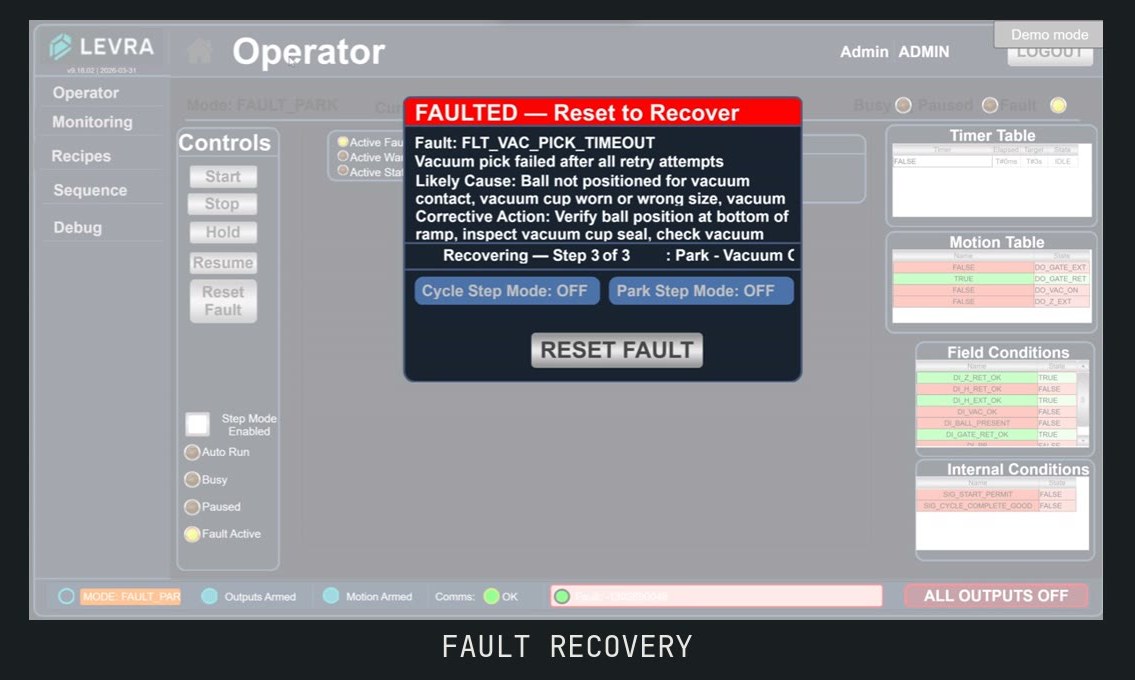
  • Robot and motion programming built around the fixture—pick/place, cut, press, or present parts in clear states with simple recoveries, not fragile one-off code.
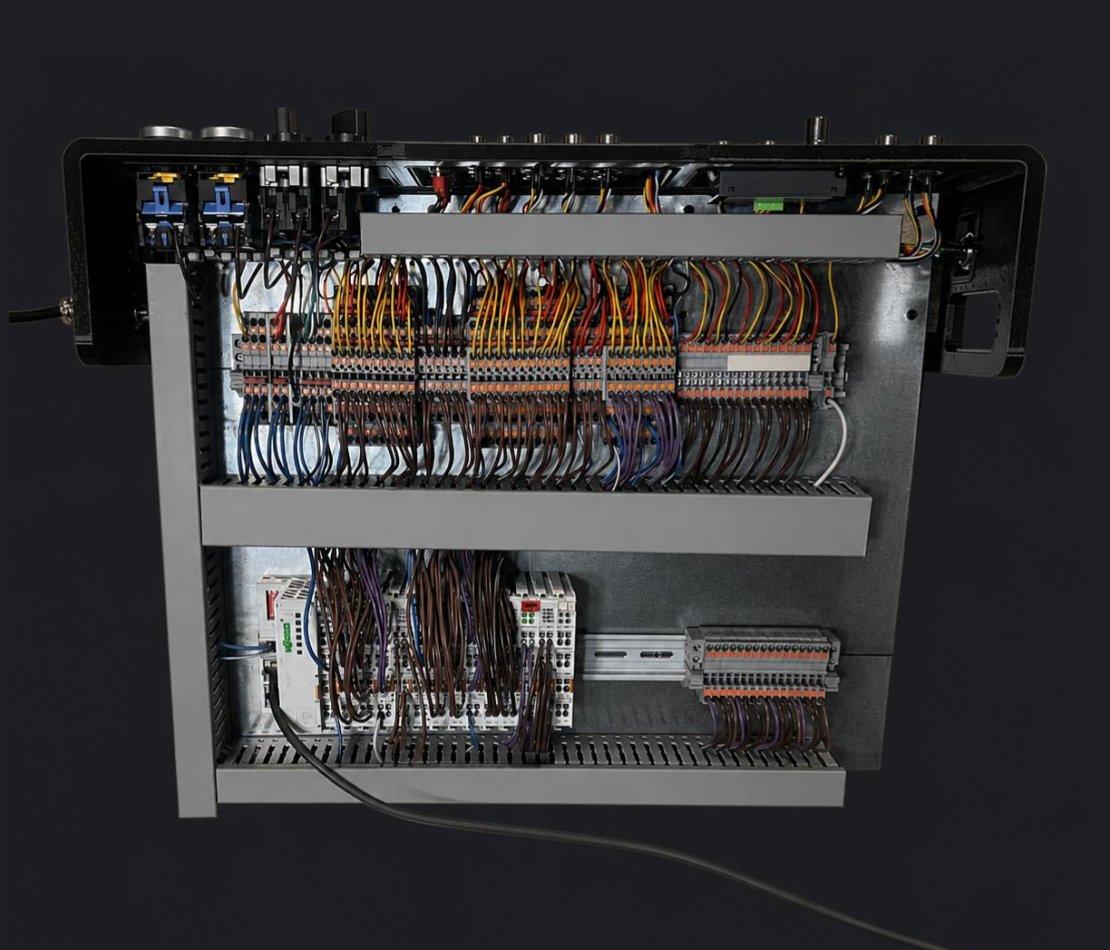
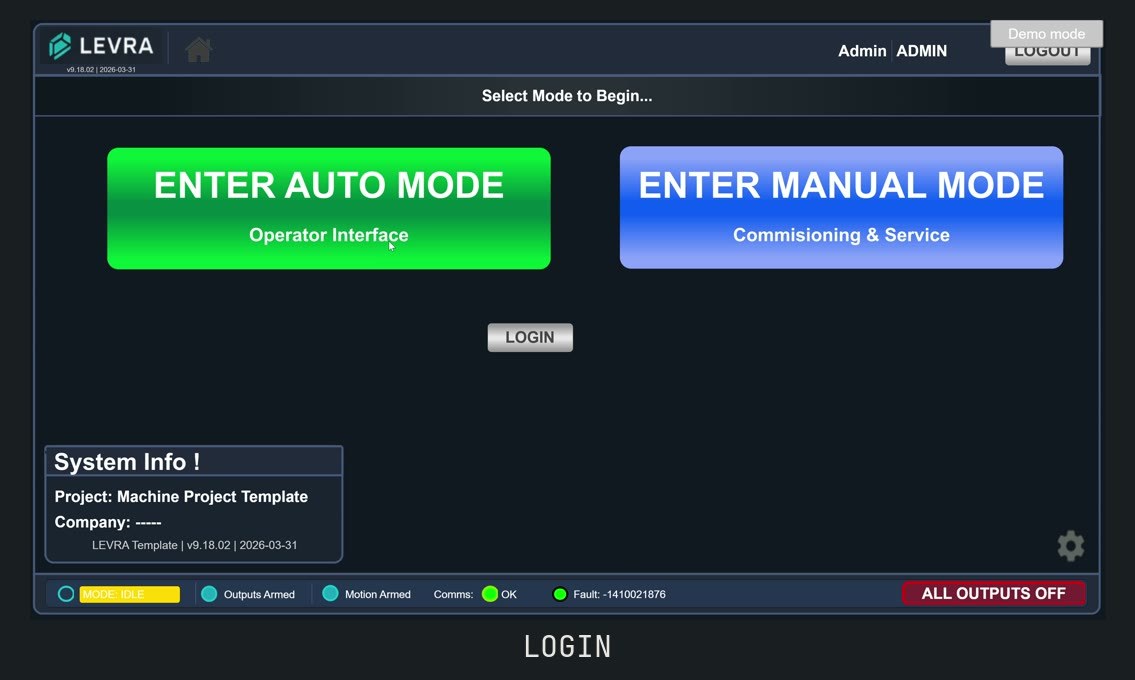
  • Control panels that act as the nervous system for the station: clean DIN-rail wiring, clear labels, and room for future I/O so technicians aren’t afraid to open the door later.

Data, telemetry & basic visibility

You don’t need a full-blown MES to get value from data. The basics built into your cells—counts, scrap, cycle timing—are often enough to guide the next improvement.

  • Capture part counts, scrap, and basic cycle timing as part of normal station operation, without adding a lot of complexity for operators.
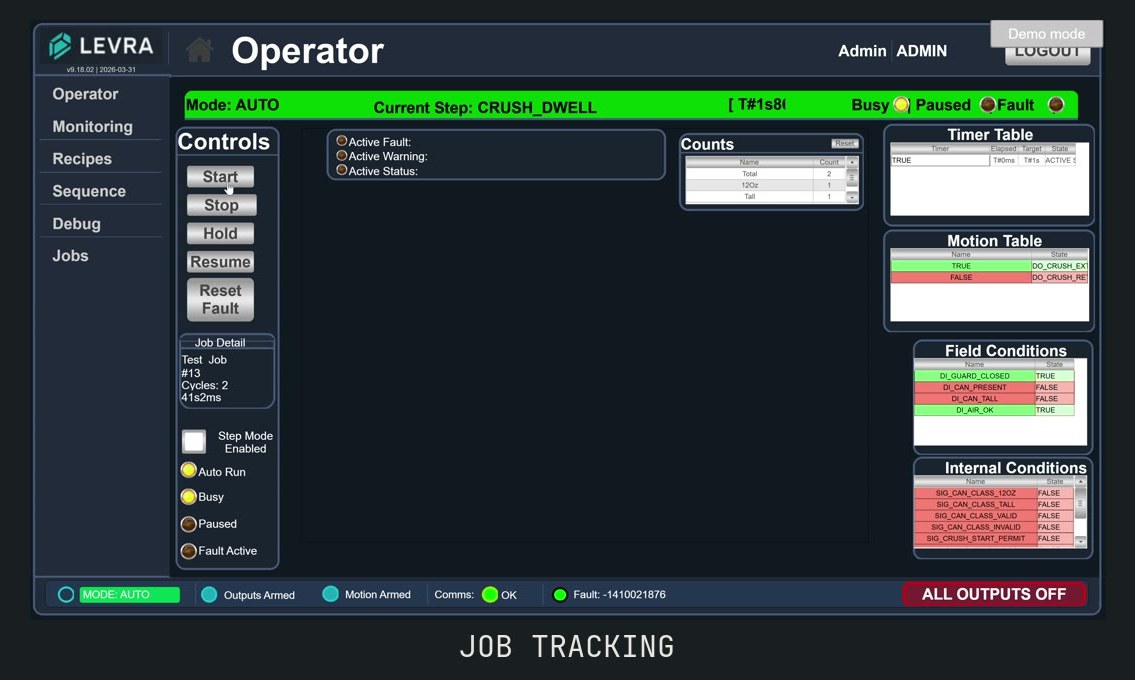
  • Tie data to jobs or SKUs so you can see which products, shifts, or cells are dragging you down and where to focus improvement work.
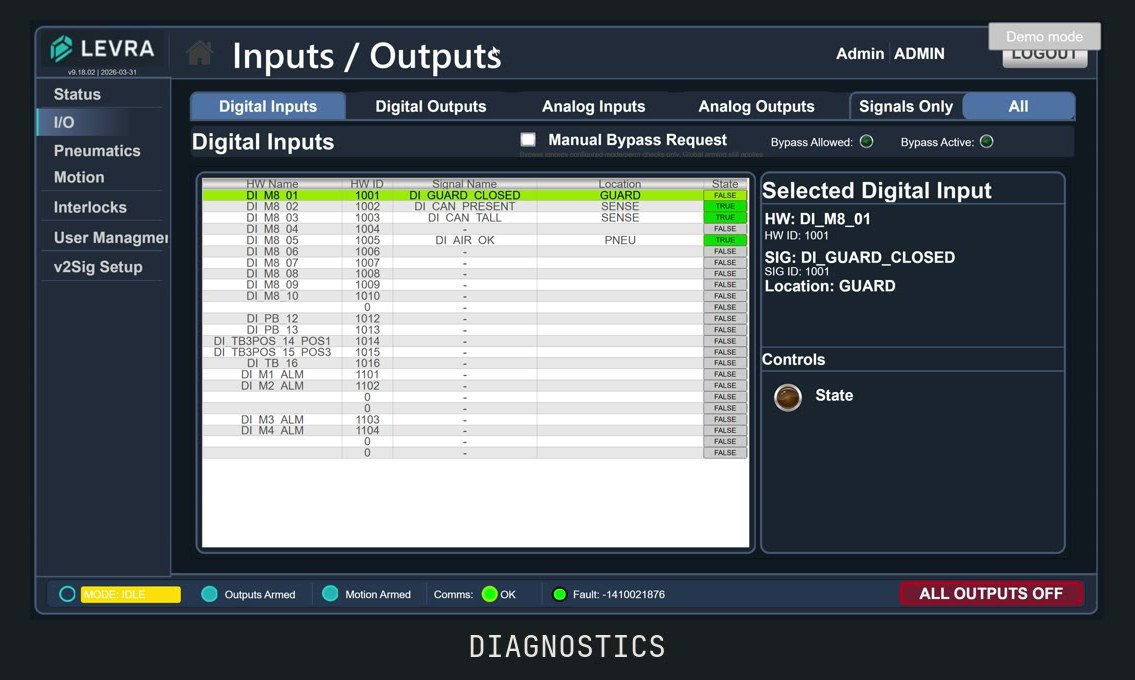
  • Export simple CSV or Excel files, or feed a light dashboard—enough visibility to make decisions without drowning in graphs or locking into the wrong platform too early.
Engagement models

Ways we can work together

From “we should automate this” to a running cell, we adapt to where you are—whether you’re exploring feasibility or ready to build.

Paid Discovery & concept

A focused, lower-commitment engagement to define the right problem, the right approach, and a realistic budget.

  • Process walk-through, constraint mapping, and operator input.
  • Concept sketches, layouts, and options built around your parts.
  • Budget estimate, timeline, and clear acceptance criteria.

Design & build cells

Full project execution from design through FAT, installation, and SAT for compact cells and stations.

  • Mechanical design, fixtures, controls, and vision designed as one system.
  • Build, debug, and FAT using your parts and agreed test criteria.
  • Install, SAT on your floor, and operator/maintenance training.

Retrofits & optimization

Upgrades and targeted improvements for equipment you already rely on, scoped around fast payback.

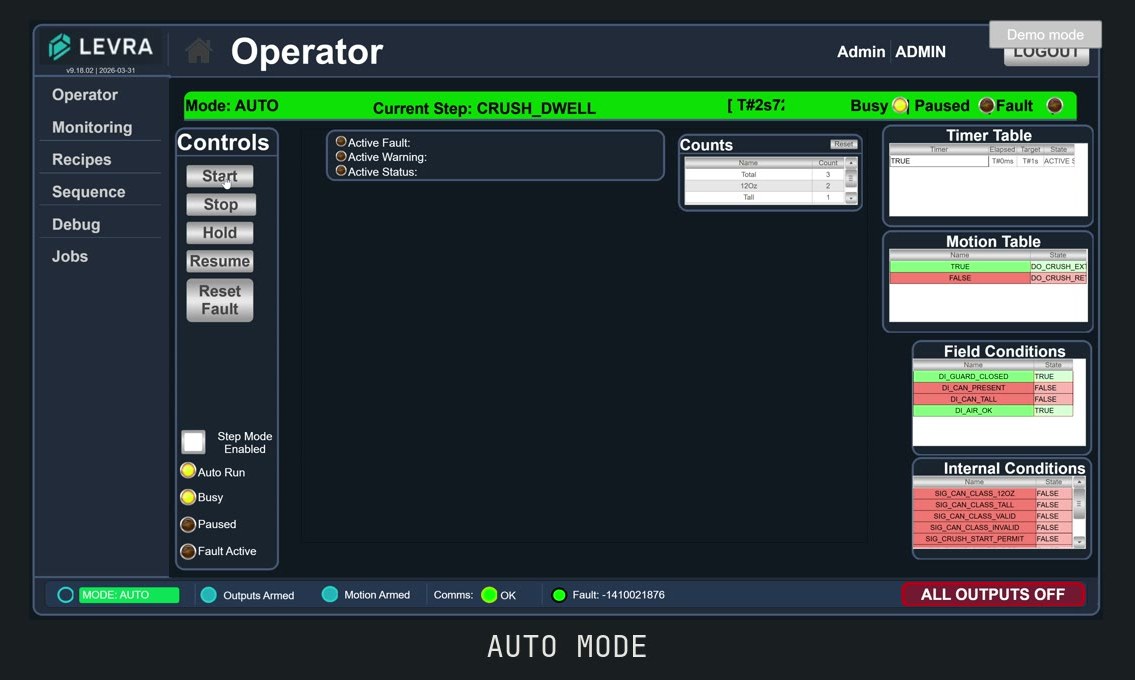
  • Controls and HMI modernization for aging equipment.
  • Sensing, vision, and data add-ons around existing machines.
  • Cycle time, reliability, and ergonomics improvements at key stations.